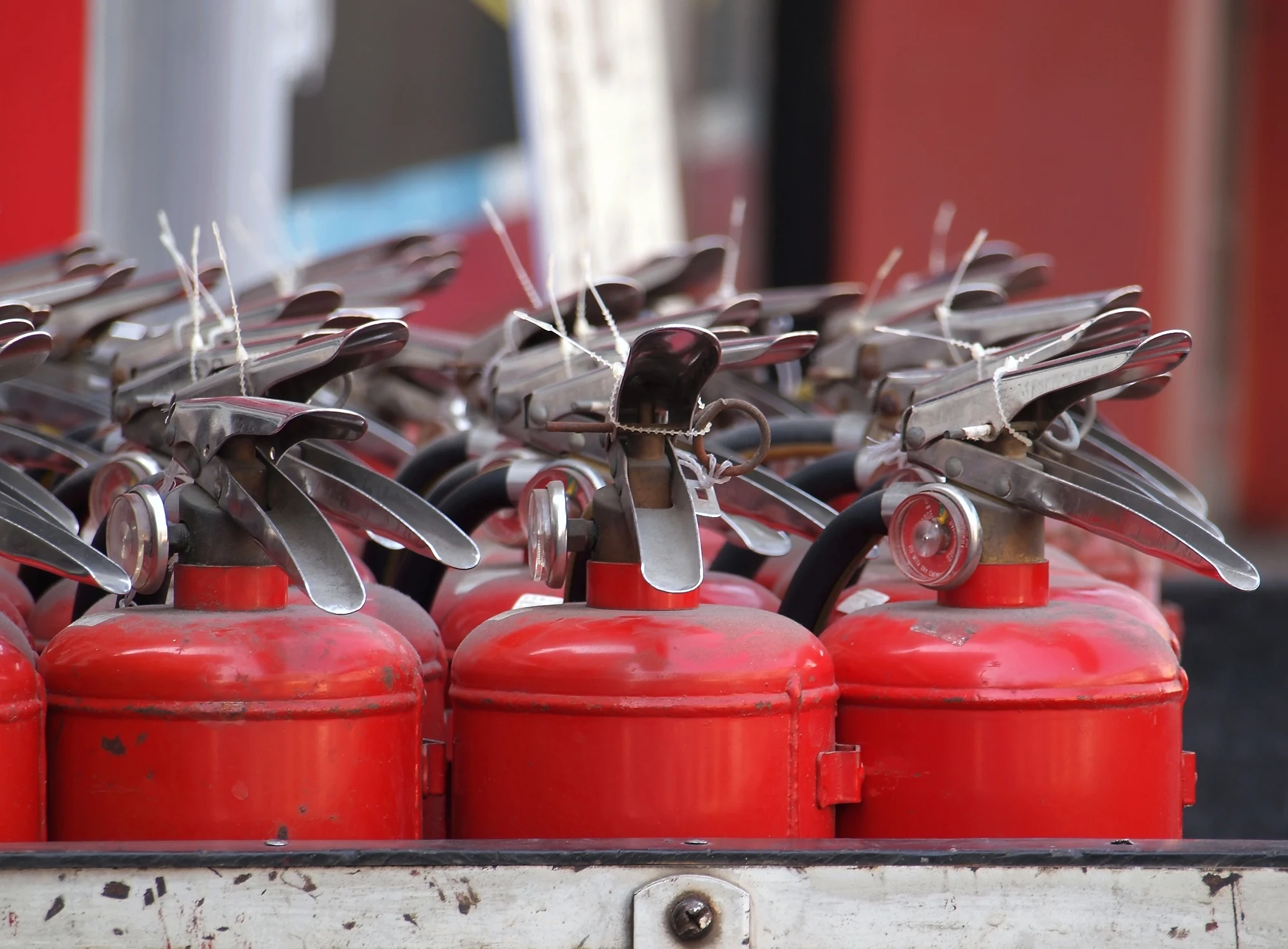
Types of Fire Extinguishers in Singapore
Fire extinguishers are critical fire protection systems recommended for all residential, commercial and industrial buildings. Learn which type is right for your premises.
Why You Need the Right Fire Extinguisher
Fire extinguishers serve a wide range of applications when it comes to fire safety. Apart from saving lives, fire extinguishers can also enable you to significantly reduce the destruction to your property during fires. With efficient fire extinguishers, you can easily and safely put out small fires even before the arrival of fire rescue services.
In Singapore, there are strict fire safety regulations that stipulate the types of fire extinguishers that should be installed in residential, commercial and industrial premises. Depending on the potential fire threats on your building, there are various kinds of fire extinguishers to choose from.
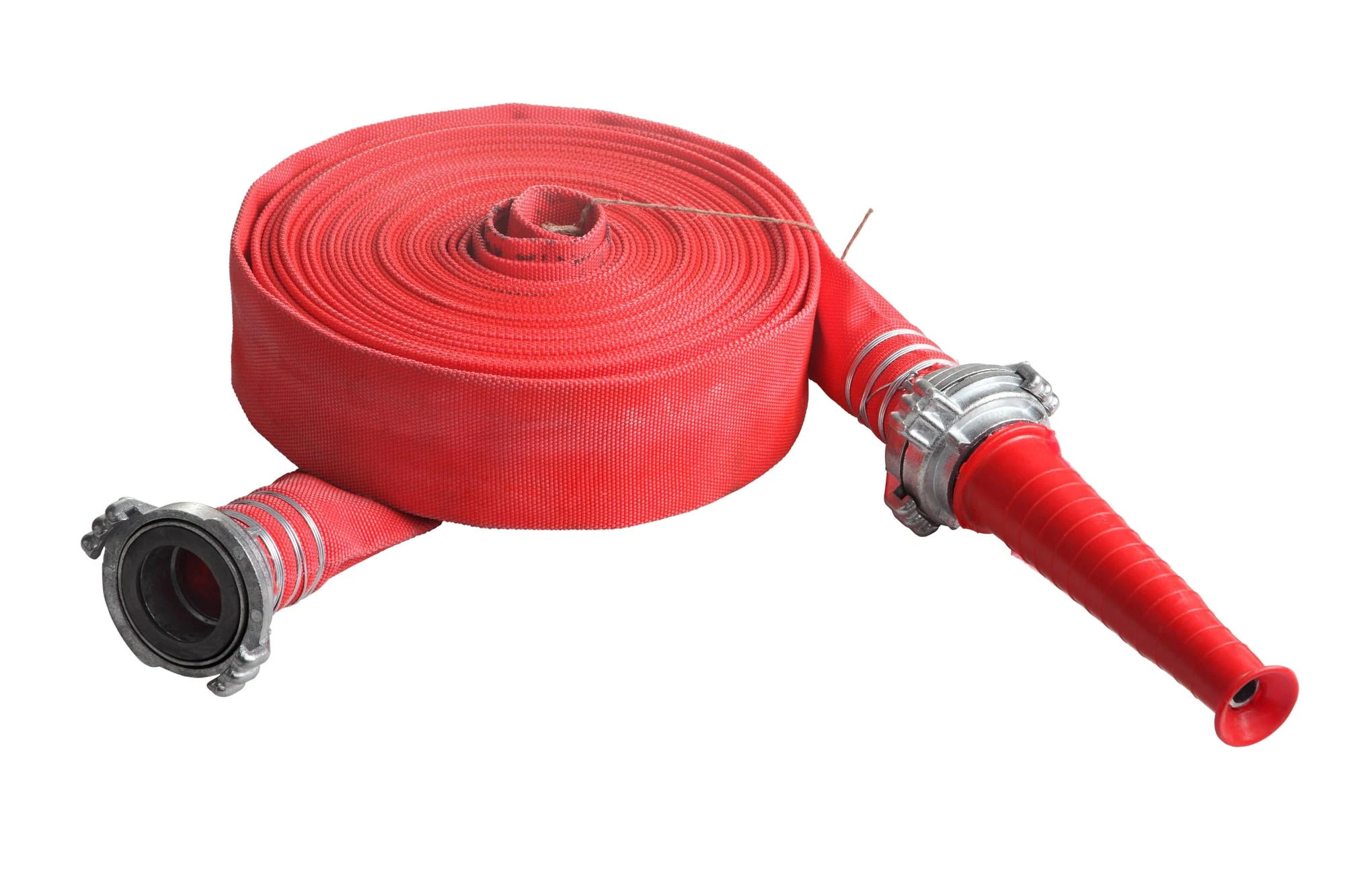
Main Types of Fire Extinguishers in Singapore
ABC Dry Powder Fire Extinguishers
The fire suppression agent in these fire extinguishers is a specialised chemical dry powder, which is designed for putting out Class A, B and C fires. The agent is stored in pressurized cylinders with nozzles to discharge it to the fire upon release. The fire extinguisher can extinguish fires caused by flammable solids, liquids and gas. These are among the most versatile fire extinguishers available.
Fire Classes
Class A, B and C fires
Fuel Sources
Flammable solids, liquids and gas
Suppression Agent
Specialised chemical dry powder stored in pressurized cylinders
CO₂ Fire Extinguishers
These fire extinguishers contain pressurized carbon dioxide gas used to put out electrical fires. It can also work on putting out combustible liquids and gases. The key property of this fire suppression agent is that it rapidly sucks out oxygen from flames, thereby stopping the fires quickly and safely. CO2 extinguishers leave no residue and are ideal where clean-up is important.
Fire Classes
Electrical fires, combustible liquids and gases
Fuel Sources
Electrical equipment, flammable liquids and gases
Suppression Agent
Pressurized carbon dioxide gas
Wet Chemical Fire Extinguishers
Wet chemical fire extinguishers are specifically made for fighting Class F fires that result from cooking oils, fat and grease commonly found in kitchens and restaurants. The extinguishers can also be effective on Class A fires resulting from burning clothes and paper materials. The fire suppression agent in the cylinder fights the flames by eliminating the heat element, cooling the oils and creating a soapy solution that seals off the surfaces. This not only stops the fires but also prevents them from re-ignition.
Fire Classes
Class F fires, Class A fires
Fuel Sources
Cooking oils, fat and grease; burning clothes and paper
Suppression Agent
Wet chemical solution that creates a soapy seal
Class D Fire Extinguishers
These are not very common since they are mainly used in industrial premises to stop fires caused by flammable metals. The fire suppression agent in the cylinders comprises of sand, metals or both, which is effective in extinguishing metals on fire. Class D extinguishers are primarily found in laboratories and industrial manufacturing facilities.
Fire Classes
Class D fires (combustible metals)
Fuel Sources
Magnesium, titanium, potassium, aluminium and other combustible metals
Suppression Agent
Sand, metals or a combination
Foam Fire Extinguishers
These fire extinguishers are filled up with foam as the fire suppression agent. Foam fire extinguishers are designed for Class A and B fires resulting from flammable liquids and gases. The agent works by removing oxygen from the chemical reaction, hence stopping the flames. Foam fire extinguishers are usually very messy on electrical fires and should never be used in such situations. Besides, the chemical composition of the foam can also cause damage to your electrical systems.
Fire Classes
Class A and B fires
Fuel Sources
Flammable liquids and gases
Suppression Agent
Foam that removes oxygen from the chemical reaction
Water-Based Fire Extinguishers
These are fire extinguishers that use pressurized water as the primary fire suppression agent. Water-based fire extinguishers are made for putting out Class fires that result from flammable solids like clothes, paper materials, wood and plastics. Water mainly works by eliminating the heat element from the flames, which cools off the burning materials and stops the fire. They should not be used on electrical fires or flammable liquid fires.
Fire Classes
Class A fires (ordinary combustibles)
Fuel Sources
Flammable solids like clothes, paper, wood and plastics
Suppression Agent
Pressurized water
Find the Right Fire Extinguisher for Your Building
Ezzogenics offers a huge selection of all types of fire extinguishers. Based on the potential fire risks on your premises and your budget, we can help you choose the most suitable fire extinguishers for better fire safety. We work with leading brands, offering high quality and industry-standard fire extinguishers.