All You Need to Know About Fire Fighting Foam
Foam has been used as a key fire fighting medium for putting out combustible liquids for many years. Learn how it works, the types available, and its key benefits.
What is Fire Fighting Foam?
The foam that is used in fire fighting is a stable mass comprised of tiny bubbles of air with a lower density than water, gas or oil. The mass is made up of three key ingredients that include foam concentrate, water and air. When mixed in the correct proportions, the ingredients produce a homogeneous blanket called foam.
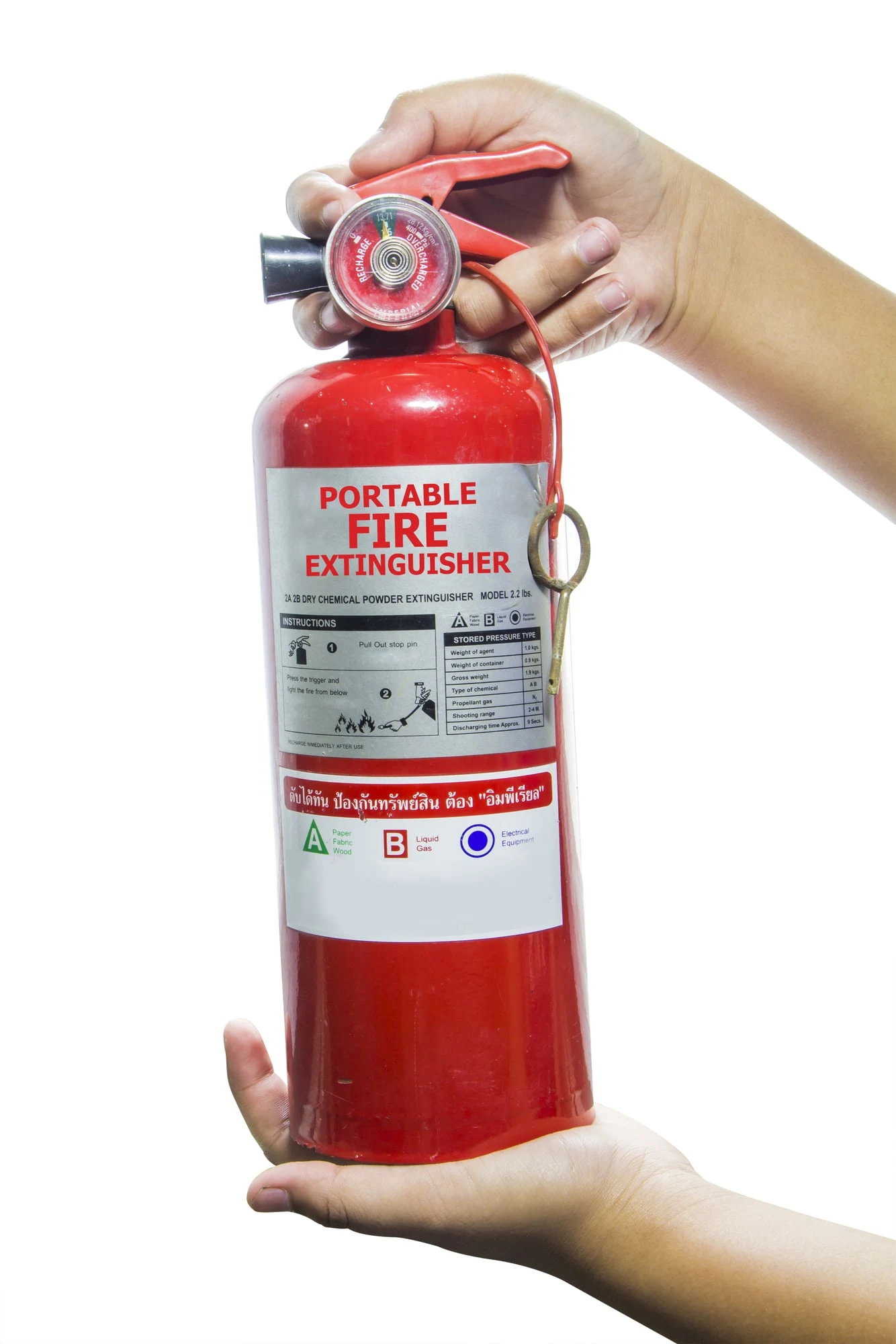
The foam is then filled into pressurized devices or gas cylinders like fire extinguishers from where they are discharged to extinguish fires during an emergency.
Foam is considered the primary fire suppression agent for ensuring better fire protection in areas where flammable liquids are processed, distributed or stored. The most common applications include aircraft hangers, oil and gas processing plants, oil storage warehouses, commercial cooking areas, loading platforms and other industrial spaces. Foam fire suppression is effective both indoors and outdoors, making it quite versatile.
How Fire Fighting Foam Works
Foam works in stages to effectively extinguish and prevent re-ignition of flammable liquid fires.
Create a Blanket
Creates a blanket over the fuel source to smother the flames and cut off oxygen supply.
Separate the Fuel
Separates the fuel source from the surface on fire, preventing re-ignition.
Cool the Surface
Cools off the fuel source and surfaces, reducing temperature below ignition point.
Remove Vapours
Sucks off any remaining vapours on the surfaces to prevent the fire from re-ignition.
Fire fighting foam is effective on both hydrocarbon fuels (gasoline, jet fuel, kerosene, diesel) and polar solvent or alcohol fuels (alcohol-based combustible liquids). Unlike other fire suppression agents like water and CO2, foam extinguishes liquid fires in three phases: cooling off the flames, separating the fuel source from the surfaces, and smothering.
Common Types of Fire Fighting Foam Concentrates
There are various kinds of foam concentrates used in fire fighting systems. The particular type to choose will mainly depend on the potential fire risks on your building and the nature of the environment where it will be used.
Aqueous Film Forming Foam (AFFF)
Effective on hydrocarbon fuel fires such as gasoline and diesel.
Alcohol Resistant (AR-AFFF)
Designed for polar solvent fires; also works on hydrocarbon fuels.
Synthetic Foam (Medium or High Expansion)
Detergent-based foam for large area coverage.
Wetting Agent
Enhances water penetration for deep-seated Class A fires.
Class A Foam
Used to suppress fires involving ordinary combustibles.
Protein Foam
Excellent film strength; commonly used in aviation facilities.
Film Forming Fluoroprotein (FFFP)
Combines protein foam stability with film-forming properties.
Fluoroprotein Foam
Highly effective on hydrocarbon fuel fires with excellent knockdown and burnback resistance.
Benefits of Fire Fighting Foam
Quickly Extinguishes Flammable Liquid Fires
Foam concentrates are the best suppression agent for fires resulting from combustible liquids like gasoline, kerosene, diesel and other oils. Foam effectively cools off the heat, smothers the flames and sucks off vapours from the surfaces, thereby putting out Class A and B fires quickly and safely.
Conserves Water and Energy
Foam concentrates are the key ingredient in fire fighting foam, which requires just a little water. Besides, discharging the fire suppression agent from the storage devices does not require a significant amount of energy. All these not only make fire fighting foam more efficient but also very economical.
Less Water Damage
Unlike fire sprinklers or water-based fire extinguishers, fire fighting foam uses very little amounts of water. As a result, using a foam fire suppression system during fire emergencies will not cause any significant water damage to your documents and equipment in the building.
Get Expert Advice on Fire Fighting Foam Systems
Ezzogenics provides quality fire protection systems including foam fire suppression systems for residential, commercial and industrial spaces across Singapore.